
21 Aug 2026
Meet Bruce Rayment: Leading the next chapter of MI Battery Engineering
The new CEO on his career, his approach, and lifting the lid on “Australia’s best kept secret”
“We are Australia’s best kept secret,” says Bruce Rayment early in the conversation, with perhaps just a little exaggeration.
Rayment stepped into the role of Chief Executive Officer of MI Battery Engineering on 15 June 2026. Coming into the business with fresh eyes, he sees enormous capability, deep technical knowledge and decades of experience but also an opportunity to make sure more Australian businesses understand just how much MI Battery Engineering can do.
“The potential audience for what we do is very broad,” he says. “Our engineering capability is remarkable, and there are solutions we can provide that many customers may not even realise are available to them.”
For Rayment, an important part of his role is making those capabilities better known - and changing the perception that MI Battery Engineering is simply a battery supplier.
Because its services extend well beyond supplying batteries.
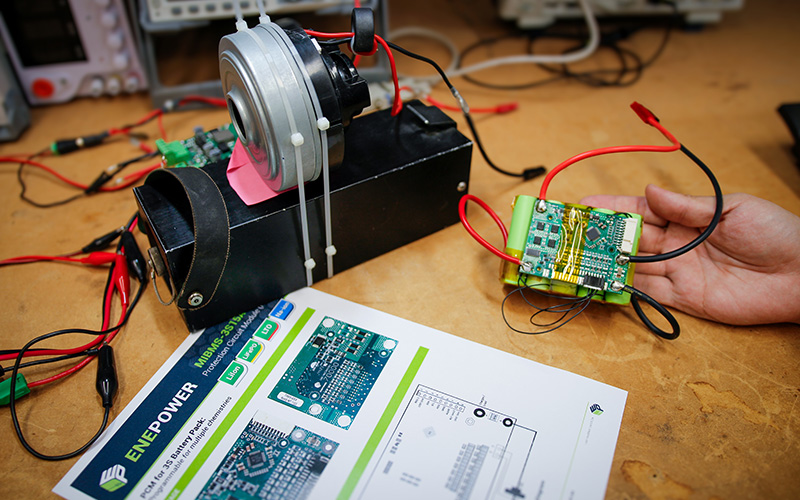
Today, MI Battery Engineering combines an extensive battery and power product portfolio with custom engineering, battery-pack assembly, prototyping, testing, technical support and engineered DC power solutions across industries including defence, mining, marine, medical and renewable energy.
For Rayment, one of the opportunities ahead is straightforward: make sure the market understands what MI Battery Engineering is capable of.
A career built around growth
Rayment brings more than 26 years of experience running private Australian businesses, underpinned by a career with a strong B2B, sales, marketing and strategy focus.
It began with a sales cadetship at Castrol, a job he applied for because the advertisement mentioned motorsport, an obsession since he was eight or nine years old.
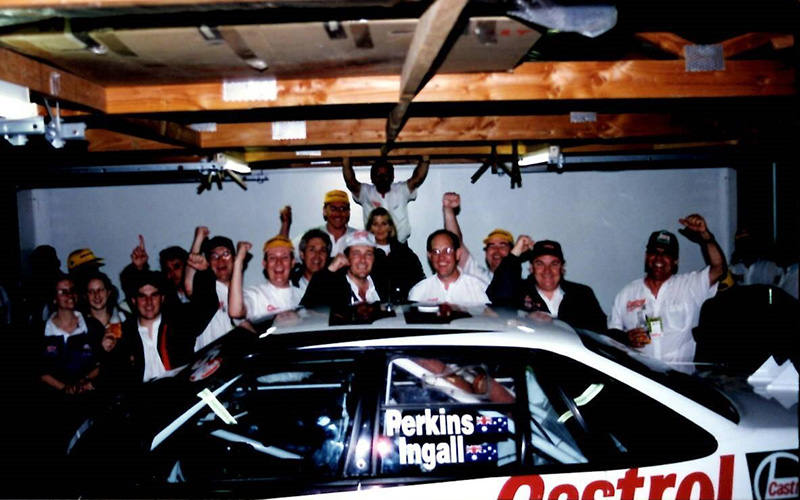
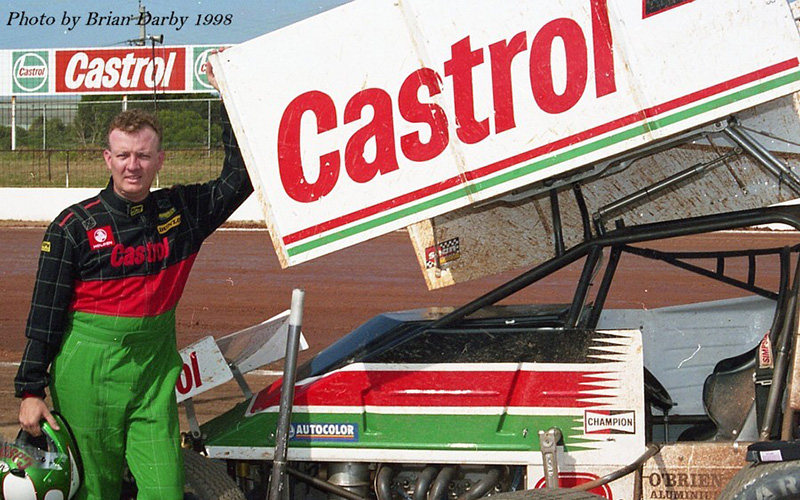
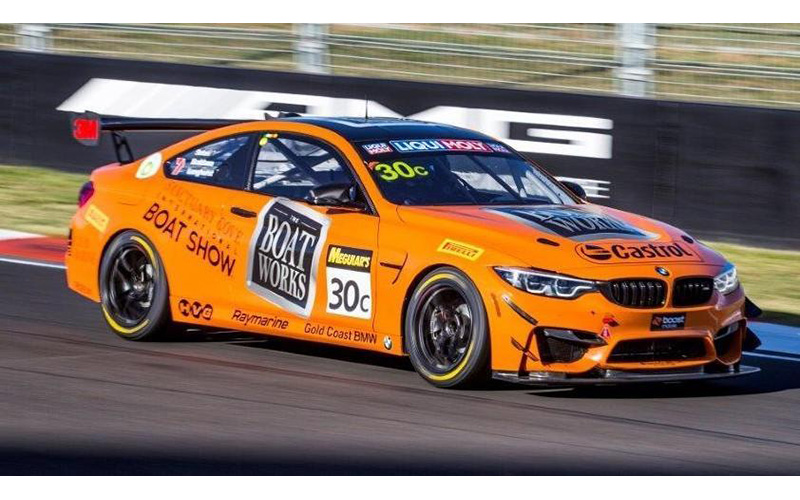
He spent 12 years at Castrol across sales, marketing and management roles, with a year at Pepsi-Cola in between, before moving to ASX-listed Infomedia as Marketing Director.
He later moved to Melbourne to lead and grow a small manufacturing business, applying many of the sales and marketing disciplines he had learnt at Castrol. The business was acquired by industrial distribution group HVG in 2007, and Rayment became CEO of HVG in 2010, leading it for the next 14 years.
Then, in 2024, he retired from HVG and stopped.
Not totally retired. He simply took a break.
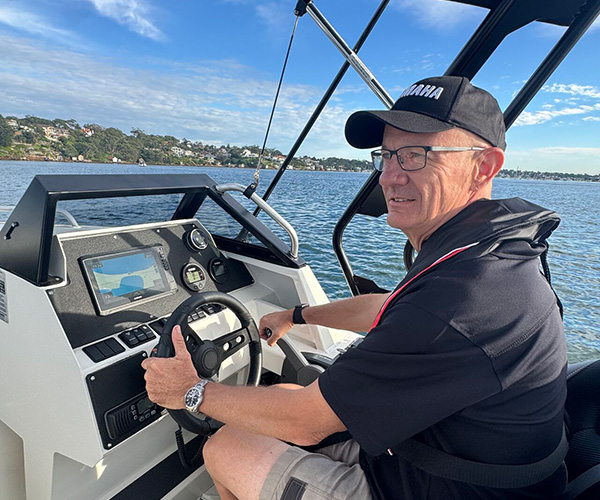
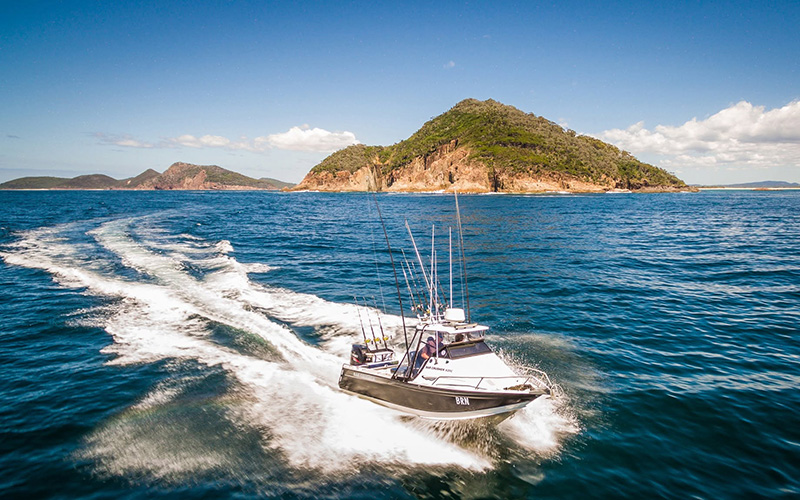
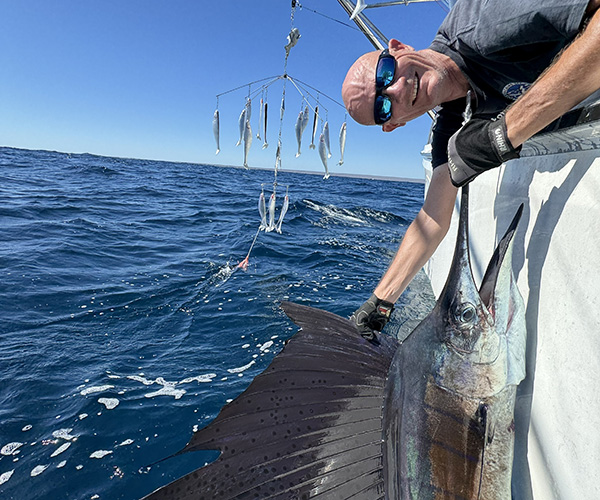
His elderly parents needed more of his time and care, and Rayment also had the opportunity to pursue something that had waited quietly in the background of a demanding career.
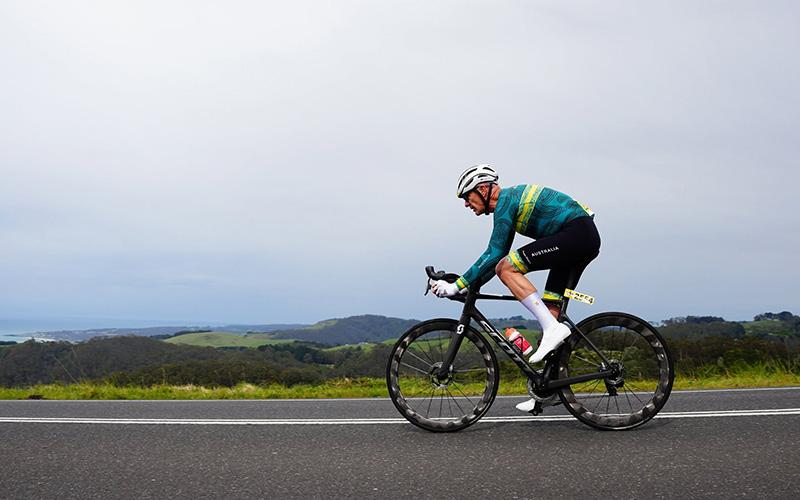
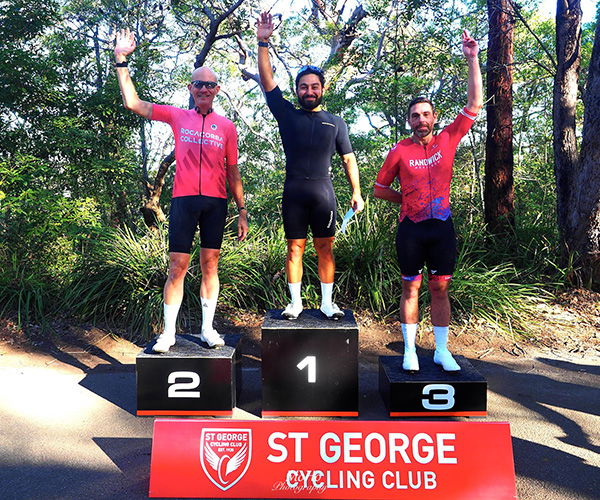
In his mid-fifties, he became a competitive road cyclist, racing at the Gran Fondo World Championships in both 2024 and 2025.
“I effectively got to pursue my childhood sporting dreams,” he says, “of trying to be an athlete at 55.”

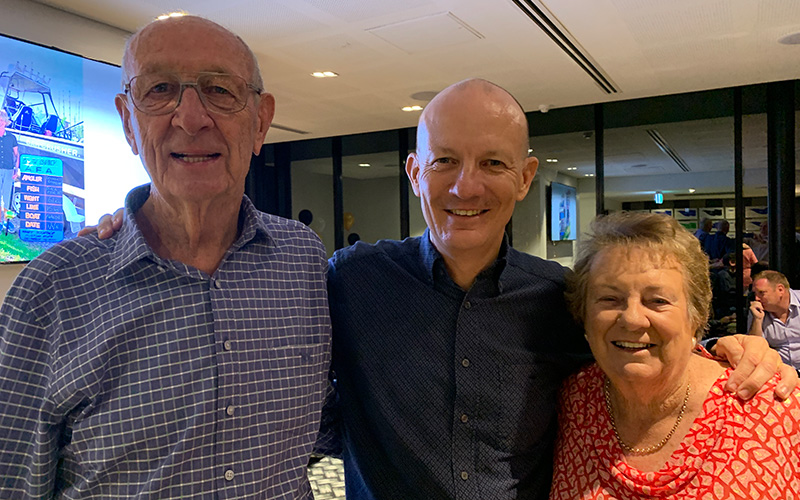
Then MI Battery Engineering called.
“It was too good an opportunity not to put my hat in the ring for.”
Why MI’s best chapter is still ahead
Ask Rayment what stood out about MI Battery Engineering and he doesn't immediately reach for strategy language.
“The chance to grow a really good, solid and smart business,” he says.
MI Battery Engineering has roots stretching back more than 80 years. It has evolved through manufacturing, battery-pack assembly, distribution and engineering while accumulating a depth of knowledge that is difficult to replicate.
Importantly, MI Battery Engineering is not a distributor suddenly trying to become an engineering business. Engineering, assembly and technical problem-solving have been part of its story for decades.
“It’s certainly an Australian manufacturing success story,” Rayment says. “Of which there’s less and less.”
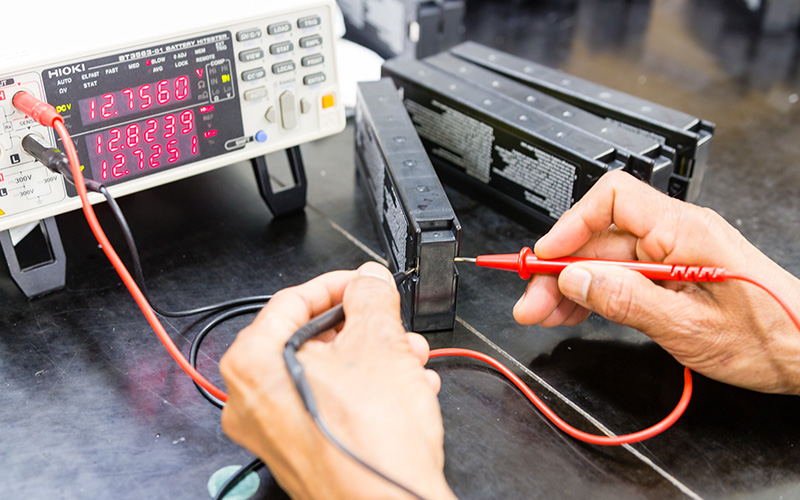
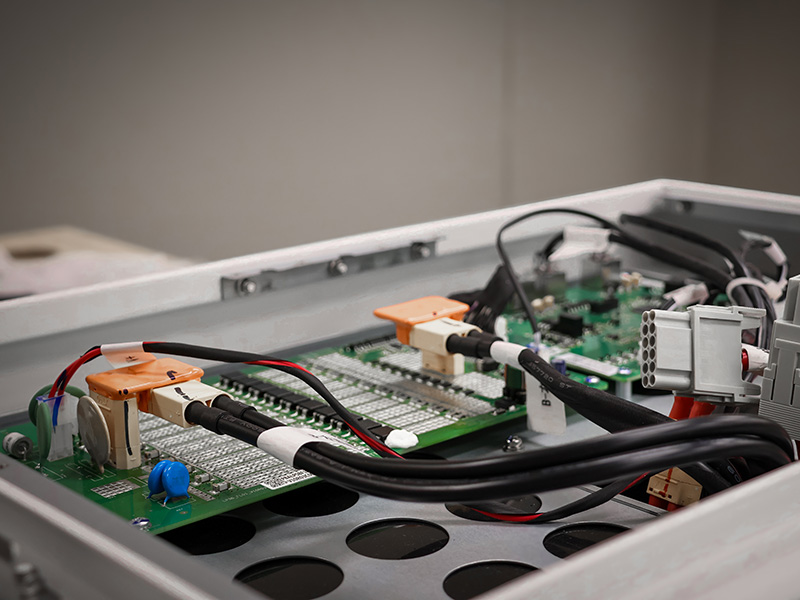
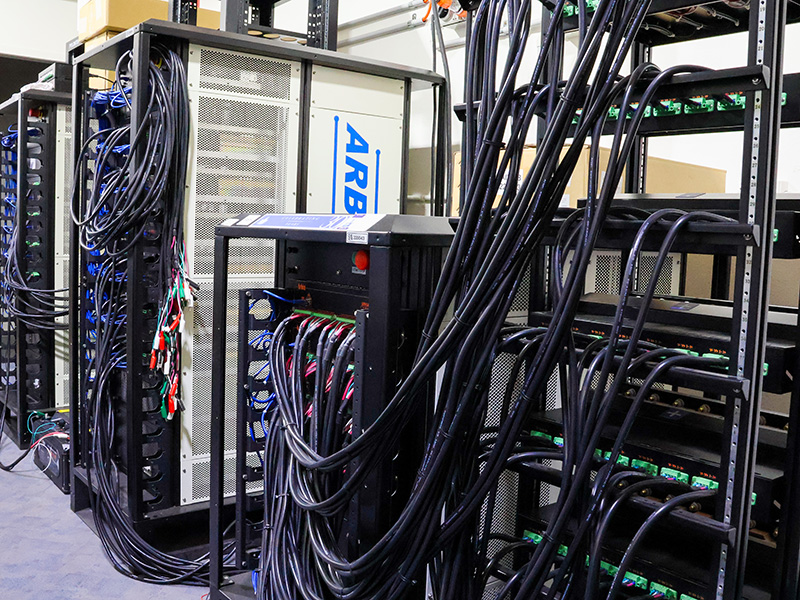
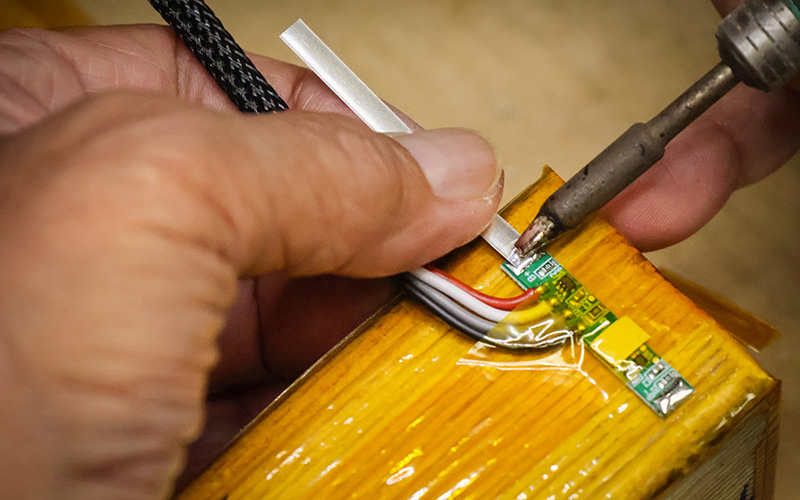
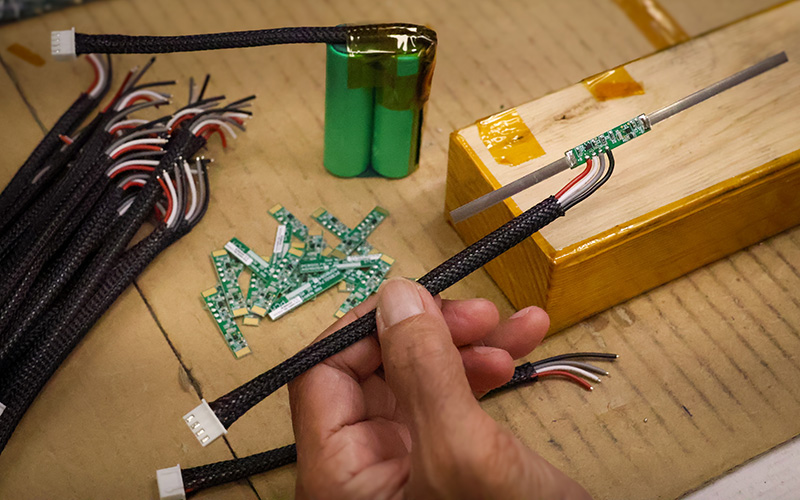
Its Australian manufacturing capability includes engineering, configuring, assembling and testing imported cells and components to create battery packs and power solutions for specific applications.
Those applications can be remarkably diverse.
A customer might need a replacement battery from local stock. Another might need a custom battery pack for a new product, help moving from one chemistry to another, an off-grid power system or an engineered solution where an off-the-shelf product simply won't work.
That breadth is both one of MI Battery Engineering's greatest strengths and one of its best-kept secrets.
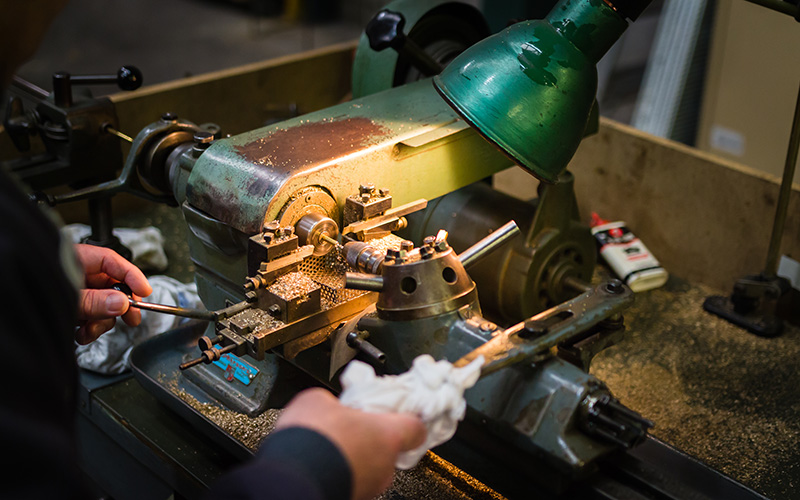
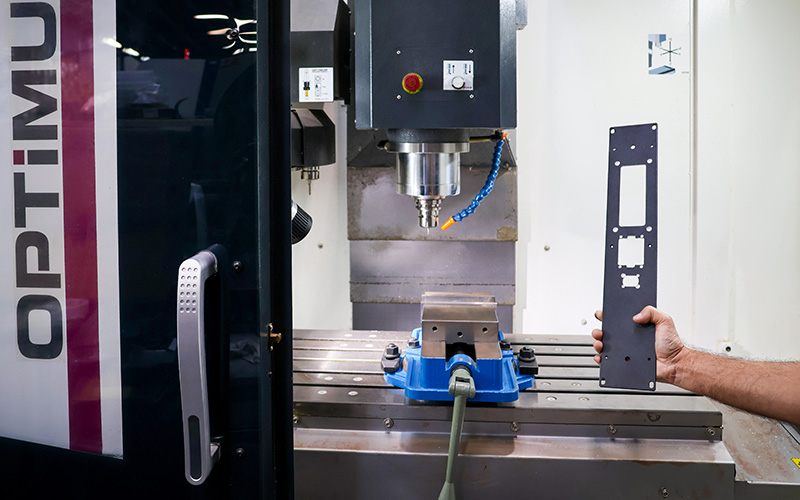
More than a battery
Across defence, mining, marine, medical, renewable energy and other industrial applications, power requirements are becoming more complex.
Increasingly, customers need more than a battery.
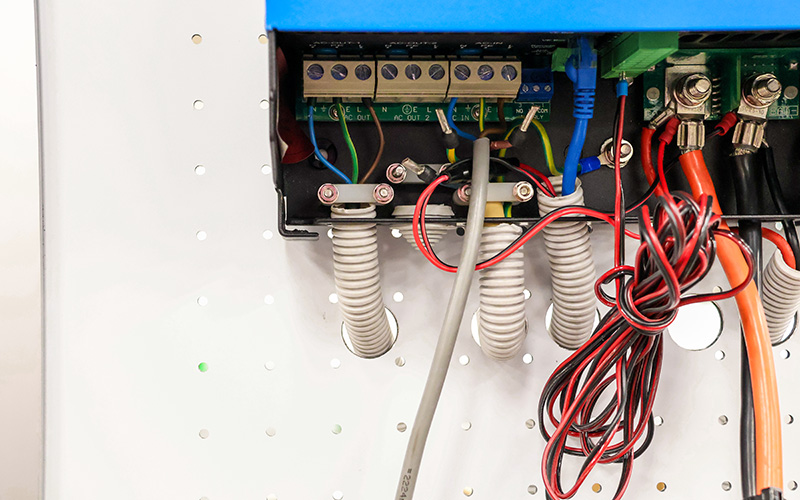
“A lot of what we're doing now is an engineered solution,” Rayment says. “Not just a battery, but a battery and power management system.”
A key advantage is that MI Battery Engineering is not tied to a single battery chemistry.
“We’re agnostic when it comes to battery chemistries,” he says. “We supply many different battery chemistries and work with customers on the right battery chemistry for their specific application.”
Rather than starting with what battery can we sell?, the conversation can start with what does the application need to do?
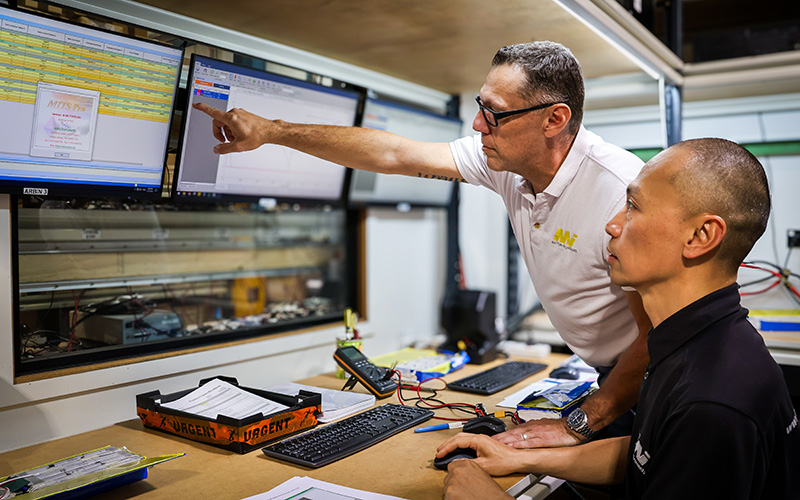
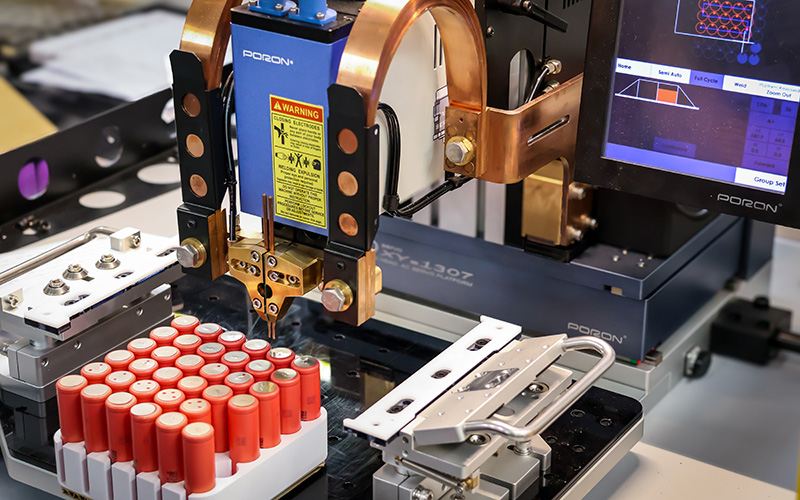
Behind the product range sits custom battery-pack design and assembly, prototyping, specialist testing facilities, fault diagnosis and technical support. MI Battery Engineering also combines established global supplier relationships with local stock holdings and Australian engineering and assembly capability.
For customers, that means access to engineering knowledge, multiple technologies, global sourcing, local stock, Australian assembly and ongoing technical support from one partner.
Rayment believes this is where market perception needs to catch up with what MI Battery Engineering already does.
The capability already exists. The opportunity is to bring it to the surface.
Engineering for the energy transition
Rayment sees significant opportunity in electrification and the energy transition, particularly where engineered battery systems can replace equipment traditionally powered by fossil fuels or provide power where grid connection is impractical.
“Where we are replacing something that's previously been fossil fuelled with something that's rechargeable, renewable energy,” he says. “Where we are taking things that are off-grid that previously would have been on-grid.”
For Australia - with remote communities, farms, mine sites and infrastructure spread across enormous distances - these challenges create significant opportunities.
But energy transition is only part of the picture. MI Battery Engineering works across applications where reliability, safety, energy density, longevity, environmental conditions and physical constraints can all determine the right power solution.
The common denominator isn't an industry or a particular technology.
It's the problem that needs solving.
Global supply. Local knowledge.
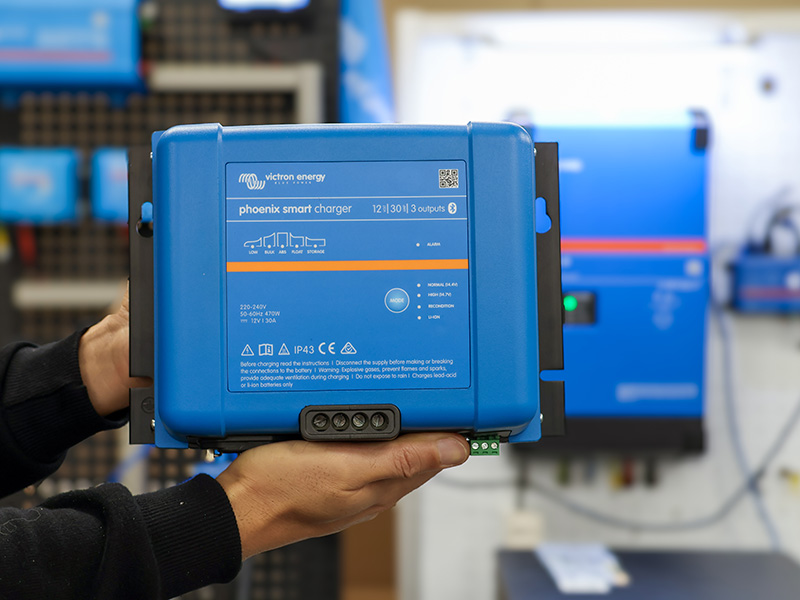
Battery technology is global, and MI Battery Engineering has established supplier relationships across North America, Europe and Asia, providing access to different manufacturers, technologies and chemistries.
Combined with local stock holdings, engineering expertise and decades of accumulated knowledge, that network helps customers navigate a battery market where technologies change, products become obsolete and requirements continue to evolve.
Customers don't necessarily want to become battery experts themselves.
They need a partner who already is.
Making Australia’s best-kept secret better known
Rayment's priorities as CEO are clear: build stronger customer relationships, get in front of more customers more often, strengthen sales and marketing capability, and continue investing in the engineering expertise that turns products into solutions.
“We believe MI Battery Engineering is Australia’s leading battery engineering and DC power solutions business,” he says. “Now we need to make sure more people know what we're capable of.”
And he is specific about what “leading” means.
Not simply being the biggest or selling the most batteries, but being recognised for engineering depth, technical expertise, access to the right technologies and the ability to solve power challenges customers cannot easily solve on their own.
For a business that has spent decades quietly getting on with the job, that next chapter is unlikely to stay quiet.
“There’s a good story to tell here,” Rayment says. “Without giving away any secrets.”
Australia's best-kept battery engineering secret may be about to become considerably harder to keep.